
Dejan Galič, MD, FEBU, FECSM
urology specialist
He deals with general urology, especially urological oncology and prostate problems, as well as sexual medicine.


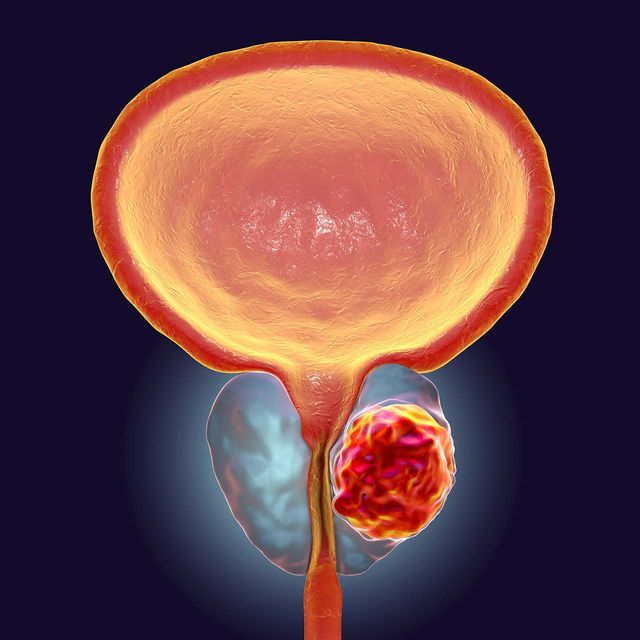
Overactive bladder (OAB) is a clinical syndrome with typical lower urinary tract symptoms – a sudden, hard-to-control urge to urinate (urgency), often together with frequent urination (frequency) and urinating at night (nocturia), and sometimes urge urinary incontinence.
Overactive bladder is usually a multifactorial disorder for which a clear cause often cannot be identified. Its development involves changes in the nervous control and sensitivity of the bladder, functional changes of the detrusor (the muscle layer of the bladder) and various factors such as age-related changes, pelvic floor dysfunction, constipation or bowel dysfunction, previous pelvic surgery or radiotherapy, and psychological and behavioural factors (excessive fluid intake, caffeine, alcohol). Several factors are often present at the same time.
It is important to distinguish OAB from other conditions that can cause similar symptoms, such as urinary tract infections, stones, tumours, bladder emptying disorders or neurological diseases. OAB is therefore a clinical diagnosis made after an appropriate basic assessment of the patient.
Diagnosis of overactive bladder is always tailored to the individual patient and aims to identify the typical symptoms, recognise risk factors and rule out other diseases that can cause similar problems. The basic urological evaluation includes a consultation and clinical examination, urine analysis and a 3-day bladder diary to assess the frequency and volume of urination, urgency, night-time urination and any leakage. If needed, a urinary tract ultrasound with post-void residual measurement and uroflowmetry are also performed. Unclear or more complex cases may require further tests – urodynamics, cystoscopy.
Treatment of overactive bladder is tailored to the individual patient. The aim is to reduce bothersome symptoms and thereby improve quality of life.
Treatment is based on changes in lifestyle and voiding habits, bladder training, strengthening the pelvic floor muscles (Kegel exercises), adequate fluid intake, reducing caffeine and other factors that can worsen symptoms. If problems persist, medication can be introduced (antimuscarinics, β3-adrenergic receptor agonists). If a medicine is not effective enough, treatment can be adjusted, the medicine changed or a combination used. For patients with persistent or hard-to-control symptoms, more advanced methods are available, namely botox injections into the bladder wall or neuromodulation.
Treatment is always adapted to the type and severity of symptoms, lifestyle, other conditions and the response to previous treatment, and regular monitoring of its effectiveness and any side effects is needed.
Bladder training is a behavioural method that gradually lengthens the time between urinations and reduces the feeling of urgency. The aim is to re-establish a more regular voiding rhythm and improve bladder control.
How to do the training:


Monday - Thursday
Friday
Saturday - Sunday
08:00 - 19:00
08:00 - 16:00
Closed
Copyright © 2025 MD medicina | All Rights Reserved | Quality and safety | Privacy Policy
 Optimized by Seraphinite Accelerator
 English
 Slovenian
 German
 Italian
 Albanian