
Dejan Galič, MD, FEBU, FECSM
urology specialist
He deals with general urology, especially urological oncology and prostate problems, as well as sexual medicine.


Modern urological diagnostics allow a precise and comprehensive assessment of the health of the urinary tract and the male reproductive system. With the right diagnostic methods we identify the causes of urological problems early and plan further treatment.
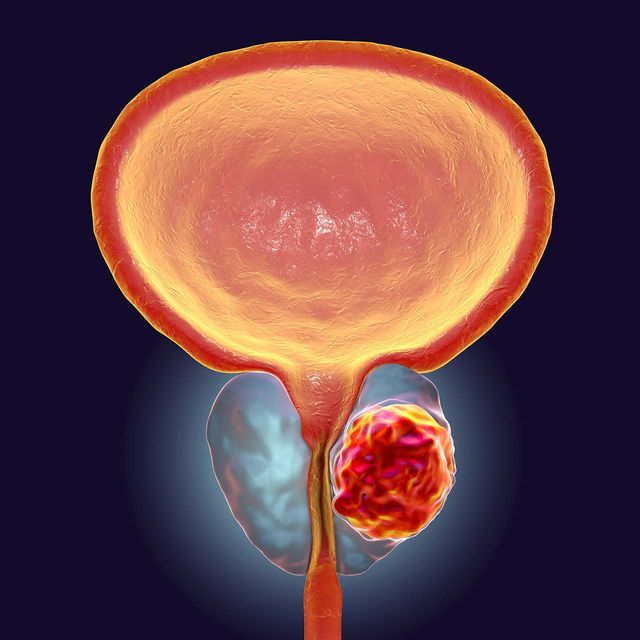
Prostate cancer is the most common cancer in men in Slovenia, with around 1,878 new cases diagnosed each year. The risk of developing it increases with age.
Bladder cancer is an insidious malignant disease that can go unnoticed for a long time and, despite treatment, often recurs and progresses to more aggressive forms. It is more common in older men and smokers, and around 361 people in Slovenia are diagnosed with it each year.
Also known as benign prostatic hyperplasia (BPH), it is one of the most common benign urological conditions in older men. It is a non-cancerous increase in the volume of prostate tissue, in which ageing and male sex hormones play an important role.
Urinary incontinence is the involuntary leakage of urine. In women it is often linked to weakened pelvic floor muscles, pregnancy, childbirth, menopause and ageing; in men it is often associated with prostate disease, neurological disorders or previous urological surgery, especially radical prostatectomy.
A thinner stream, dribbling, interruptions, a feeling of incomplete bladder emptying, frequent urination, straining when urinating are symptoms that indicate that you need to visit a urologist. We are talking about symptoms of the lower urinary tract and they are one of the most common clinical problems of older men. The problems are more common and more pronounced in the elderly, but in recent years they have also appeared in younger men.
Overactive bladder is a common lower urinary tract disorder characterised by a sudden, strong urge to urinate that is difficult to postpone. It is often accompanied by more frequent urination, urinating at night and sometimes involuntary leakage of urine.
Erectile dysfunction is a common condition in which a man has difficulty achieving or maintaining an erection sufficient for a satisfying sex life. It is often linked to vascular, hormonal, metabolic or psychological factors and can also be an early sign of cardiovascular risk.
A hydrocele is a collection of fluid around the testicle that causes the scrotum to enlarge. It usually develops gradually and is not painful, although a feeling of heaviness, pressure or discomfort may occur.
In phimosis, the foreskin (prepuce) cannot be pulled back normally over the head of the penis. In children, an inability to retract the foreskin can be part of normal development, while in adults it is often linked to scarring, recurrent inflammation or skin conditions of the foreskin such as lichen sclerosus.
Urinary stones are a common urological condition in which hard crystalline formations, most often made of calcium salts, form in the kidneys or other parts of the urinary tract.


Monday - Thursday
Friday
Saturday - Sunday
08:00 - 19:00
08:00 - 16:00
Closed
Copyright © 2025 MD medicina | All Rights Reserved | Quality and safety | Privacy Policy
 English
 Slovenian
 German
 Italian
 Albanian